
Does Smart Home Automation Actually Pay Off? What the Data Shows
A property developer weighing whether to automate every unit in a new project, or a facility manager deciding whether to retrofit an existing portfolio, usually faces the same question underneath the sales pitch: does this actually pay for itself, or is it just added cost dressed up as an amenity? The honest answer sits somewhere in the middle, and the data is specific enough to actually answer it rather than just asserting that automation is "the future."
What Do the Numbers Actually Show?
Industry studies on multifamily properties report a consistent pattern:
- A 3 to 5% rise in property valuation, with an average reported ROI around 30% on the automation investment itself.
- A 23% increase in resident satisfaction after smart features were added, which correlates with lower turnover.
- 20% higher operating efficiency and 18% lower operating costs reported by multifamily owners and operators.
- Tenants in some markets willing to pay 10 to 15% more in rent for a fully connected, automated unit.
These are industry-reported ranges from real estate and proptech research, not a guarantee for any specific property. Where the ROI actually comes from is straightforward: lower energy costs from automated HVAC and lighting, fewer maintenance callouts from remote diagnostics, reduced turnover from higher resident satisfaction, and in some cases, a real rent or resale premium.
Does This Apply the Same Way Everywhere?
Not evenly. Reported premiums are higher in tech-forward, higher-end markets, sometimes 7 to 10%, compared to 2 to 5% in more traditional markets. A luxury or tech-forward market like Dubai would reasonably sit toward the higher end of that range, given buyer expectations in the segment, though that's an inference from general market data rather than a UAE-specific published figure. The honest takeaway is that automation's return depends on the property type and buyer or tenant expectations, not a fixed number that applies everywhere.
What's Different About Automating a Portfolio vs. a Single Home
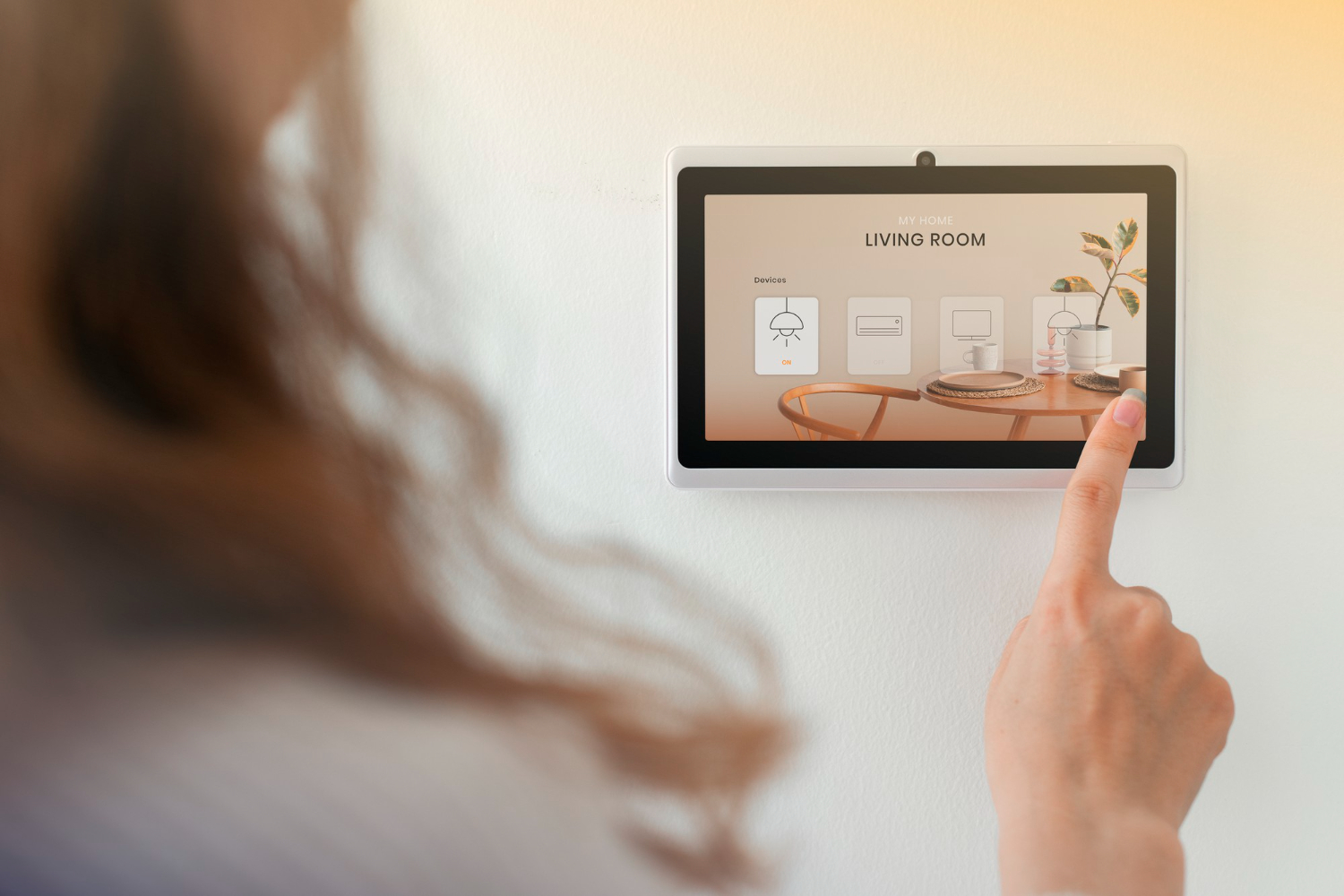
A single villa just needs its automation system to work well for the people living in it. A portfolio of units, a residential tower, or a multi-property operation needs something more: centralized management, so a facility manager can see the status of every unit, get maintenance alerts, and diagnose a malfunctioning device remotely, rather than logging into a separate app per unit. This is closer to InterKraft's Building Management System territory than a single home's automation setup, and it's the difference between automation that scales across a property and automation that only works one unit at a time.
Where Hotels Differ from Residential Properties
Hospitality has a different constraint than residential: guests won't spend time learning a new interface during a two or three night stay. Guest-facing automation needs to be simple and reliable with minimal explanation, while the property-wide management layer behind it can still be as sophisticated as a residential portfolio's system. The personalization value (automated room settings, voice-controlled services) matters, but only once the basics work every time without a guest needing to ask staff for help.
DIY vs. Professional Installation for Comprehensive Systems
A single smart thermostat is a reasonable DIY purchase. A property-wide system covering lighting, climate, security, and centralized management across multiple units is a different scope entirely, and is where professional design and installation avoids a patchwork of devices that don't actually talk to each other. InterKraft's home automation service covers this design and installation work directly.
Frequently Asked Questions
Does smart home automation actually increase property value?
Industry studies on multifamily properties report a 3 to 5% rise in valuation and an average ROI around 30%, alongside a reported 23% increase in resident satisfaction after smart features were added. These are industry-reported ranges, not guaranteed outcomes for every property.
Does the ROI on smart automation vary by market?
Yes. Reported premiums are higher in tech-forward, higher-end markets, sometimes 7 to 10%, compared to 2 to 5% in more traditional markets. A luxury or tech-forward market like Dubai would reasonably sit toward the higher end of that range, though this is an inference from general market data rather than a UAE-specific published figure.
Is automating a whole portfolio different from automating a single home?
Yes. A single home just needs its own system to work well. A portfolio needs centralized management, so a facility manager can monitor units, get maintenance alerts, and diagnose problems remotely, rather than logging into a separate app for every unit.
Should hotels approach automation differently than residential properties?
Generally yes. Guest-facing systems need to be simple and reliable with minimal explanation required, since guests won't spend time learning a new interface during a short stay, whereas residential automation can support more customization for long-term occupants.
InterKraft's home automation and Building Management System services cover both sides of this: single-property automation and the centralized management a larger portfolio actually needs.
Mia Carter
This article is an eye-opener for real estate developers like me. The emphasis on how smart home integration can enhance property value and attract tech-savvy buyers is spot on. Thanks for sharing these valuable insights!
James Roberts
The section on scalability and ROI really resonated with me. As a facility manager, I can see how automating energy management and security systems can simplify operations while reducing costs. Great article!
Sophia Taylor
I appreciate the focus on data security in home automation. It's reassuring to see that businesses are emphasizing cybersecurity, which is a crucial factor for clients considering these integrations. Thanks for this informative piece!