
Electromechanical Safety on UAE Construction Sites: The Real Compliance Risks
A contractor spends months building out a project's HVAC, electrical, and fire safety systems in Dubai, passes every federal safety check along the way, then fails an inspection the moment the same project expands into Abu Dhabi. Nothing changed about the work itself, only the emirate. This is one of the more common, and more expensive, surprises in UAE construction: federal compliance and emirate-level compliance are not the same thing, and electromechanical work sits right at the center of where this gap causes real incidents and real delays.
What Counts as Electromechanical Work?
Electromechanical work covers any system combining electrical and mechanical components, installed, maintained, or repaired as part of a building's core infrastructure:
- HVAC Systems: Heating, ventilation, and air conditioning, covered in more detail on InterKraft's HVAC ducting and ventilation pages.
- Elevators and Escalators: Vertical transportation systems combining electrical control and mechanical lift components.
- Fire Safety Systems: Alarms, sprinklers, and smoke exhaust, closely tied to public address and evacuation systems.
- Electrical Systems: Power and lighting distribution, covered on InterKraft's power distribution page.
- Plumbing and Water Pumps: Water flow and waste management systems.
Why This Work Carries Outsized Risk
Electromechanical work isn't riskier because any single task is inherently dangerous. It's riskier because of what happens around it: multiple trades often work in the same space at the same time, live electrical circuits and moving mechanical parts are frequently present together, and handoffs between engineers, contractors, and architects create gaps where responsibility for a hazard isn't always clear. Faulty wiring, exposed cables, and live circuits create shock and fire risk. Moving parts, heavy machinery, and pressurized systems create mechanical injury risk. Most serious incidents trace back to one of these coordination gaps rather than a single obviously unsafe act.
The UAE Compliance Framework, Not Just "Follow ISO and OSHA"
A common mistake in construction safety content is citing OSHA guidelines as a relevant standard. OSHA is a U.S. federal agency and has no authority in the UAE. The framework that actually applies here is layered:
- Federal Decree-Law No. 33 of 2021 (UAE Labour Law) sets employer obligations for safe working conditions nationwide, enforced by the Ministry of Human Resources and Emiratisation (MOHRE).
- Dubai Municipality's construction safety requirements apply specifically to Dubai-based projects.
- OSHAD-SF (Abu Dhabi's Occupational Safety and Health System Framework) applies specifically to Abu Dhabi, and is generally considered the most detailed emirate-level framework in the country.
- Industrial and construction establishments with 100 or more workers must appoint a qualified Occupational Health and Safety Officer.
The practical takeaway: meeting MOHRE's federal requirements does not automatically satisfy Dubai Municipality or OSHAD-SF. A contractor working across more than one emirate needs to check each layer separately, not assume one compliance strategy covers the whole country.
Heat, Electromechanical Crews, and the Midday Break Rule
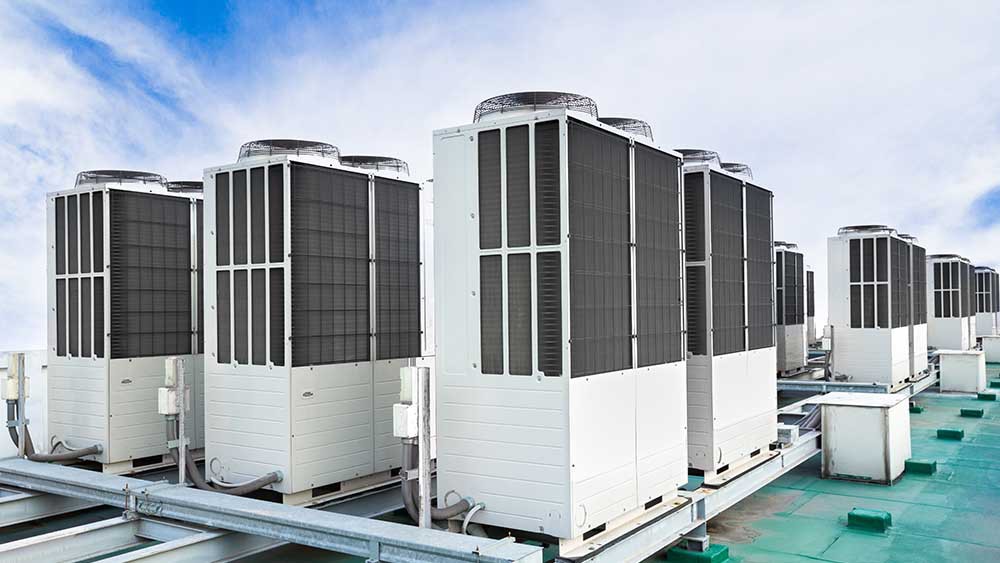
MOHRE's midday break rule prohibits outdoor work in direct sunlight from 12:30pm to 3pm between June 15 and September 15 each year. This applies directly to electromechanical crews working outdoors or on exposed rooftop equipment, such as condenser units or rooftop electrical enclosures, during those months. Outside the banned hours, heat stress is still a real factor for crews doing this kind of work; InterKraft's cooling jacket product is one practical way employers address this for outdoor and industrial teams.
Safety Measures That Actually Reduce Incidents
- Risk assessments before work begins: identifying hazards specific to the trades and sequencing on site, not a generic checklist reused across projects.
- PPE matched to the actual task: gloves, helmets, safety glasses, and insulated footwear, inspected and replaced on a schedule rather than as needed.
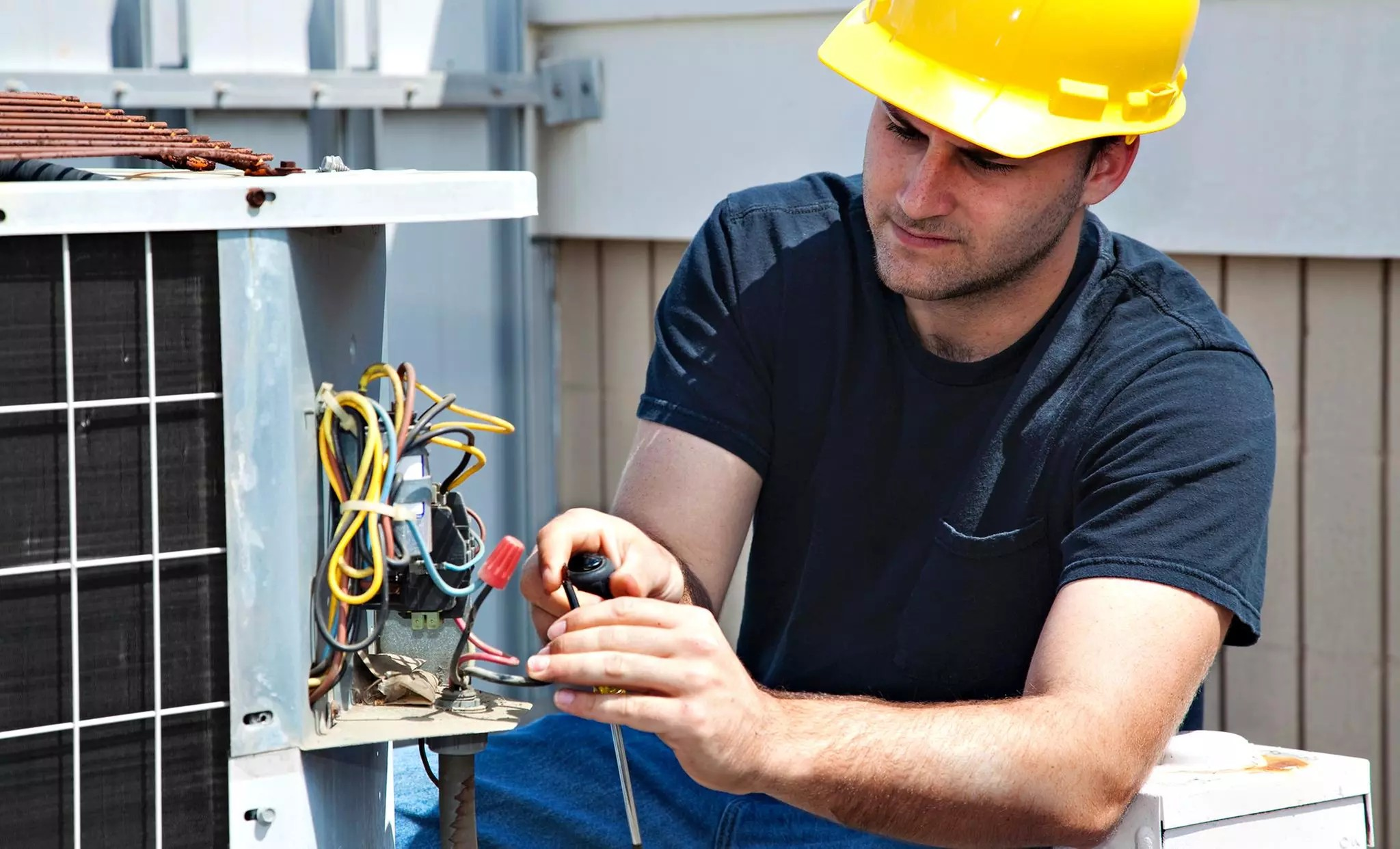
- Lockout/tagout procedures: de-energizing systems during maintenance and clearly labeling circuits, so no one assumes a system is off when it isn't.
- Training tied to the specific system: a technician certified for one type of electromechanical work isn't automatically qualified for another.
- Ventilation in confined spaces: preventing fume buildup and equipment overheating during installation or servicing.
- Clear handoffs between trades: since coordination gaps, not individual mistakes, cause a large share of incidents on multi-trade sites.
Frequently Asked Questions
Does OSHA apply to construction sites in the UAE?
No. OSHA is a U.S. federal agency with no authority in the UAE. UAE construction safety is governed by Federal Decree-Law No. 33 of 2021 and enforced by MOHRE at the federal level, with additional emirate-specific requirements from Dubai Municipality and Abu Dhabi's OSHAD.
Can a site be federally compliant but still fail a local inspection?
Yes. Federal MOHRE compliance doesn't automatically satisfy emirate-specific requirements. A contractor operating in both Dubai and Abu Dhabi needs to meet Dubai Municipality's rules and OSHAD-SF separately, not just the federal baseline.
Do electromechanical projects need a dedicated safety officer?
Industrial and construction establishments with 100 or more workers are required to appoint a technically qualified Occupational Health and Safety Officer under UAE regulations.
How does the UAE's midday work ban affect electromechanical crews?
MOHRE's midday break rule prohibits outdoor work in direct sunlight from 12:30pm to 3pm between June 15 and September 15 each year, which applies directly to electromechanical installation crews working outdoors or on exposed rooftop equipment during those months.
InterKraft's own HSE & Quality Policy covers how we apply this framework across our own electromechanical projects, whether we're delivering the work directly or brought in as a subcontractor on a larger site.
Sophia Carter
This article brilliantly highlights the importance of safety in electromechanical works. The detailed breakdown of potential hazards and preventive measures is incredibly informative. I’ll definitely share this with my team to improve our safety protocols.
David Johnson
I appreciate the emphasis on proper training and certification for workers. Electromechanical systems can be complex, and having skilled professionals is crucial to avoid accidents. Great read with actionable tips!
Emily Wilson
The focus on compliance with standards and implementing lockout/tagout procedures is spot on. These practices are often overlooked but are essential for ensuring worker safety during maintenance tasks. Thanks for this insightful post!